NAVIGATE has been working and innovating with Geoscape data sets since they were first released for public use. Geoscape collates data from its primary contributors and populates a standardised and normalised Integrated Data Model (IDM). The data is managed in state based schemas that use separate tables for the primary attribute data, geometry stored as linked (1:n) individual primitive objects and meaningful explanatory look-ups.
Most GIS users prefer a simpler structure that allows easy and immediate access to ALL relevant parts of a record without having to resort to complex queries. NAVIGATE saves data managers and GIS Users time and effort by transforming Geoscape data into valuable, GIS ready data layers. Pre-formatted label fields are provided, primitive geometries are aggregated where applicable into multi part objects and there is no need for additional lookup tables to decipher coded attributes allowing GIS users to immediately get on with their analyses.
Several Geoscape feature sets are now available royalty free from data.gov.au.
NAVIGATE has developed an innovative process to generate consistent Geoscape polygon data sets that addresses many issues that users have had with the Geoscape data over the years. These include:
- Non Contiguous data (large areas of land without attributes and not represented by a polygon)
- Multiple versions of the coastline (inconsistent inclusion of islands and bays)
- Overlaps and voids along boundaries(especially State boundaries)
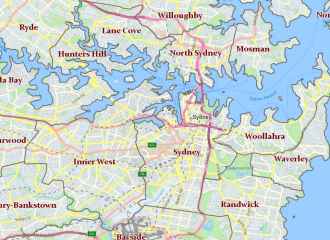
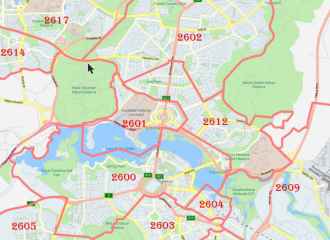
NAVIGATE has produced a customised of version of Geoscape Administrative Boundaries and Postcodes. The polygons have been clipped and infilled as necessary to produce consistent, complete coverage of the whole country while honouring all the original internal boundaries for each layer. The original Geoscape polygon layers are also provided for those users who might need them.
 NAVIGATE